This year our topic for the carnival is "countries all over the world" We got dressed in the typical costumes of the different countries. For instance, the infant students chose Egypt, China and Mexico. The 1st grade Spain, 2nd grade Greece, 3rd grade India, 4th grade Romania, 5th grade Italy and the 6th grade students, following the tradition, were following the parade into tears because of the burning of the sardine. Everybody enjoyed it a lot and had lots of fun. Here are some photographs. I hope you enjoy them.
Skiing in Navacerrada
Last Thursday we went to Navacerrada to skii.
How was the experience? Did you enjoy it?
I took some pictures with the mobile and hope you like them.
During the months of January and February we have to find out information about the climate, food, flora and fauna in Australia.
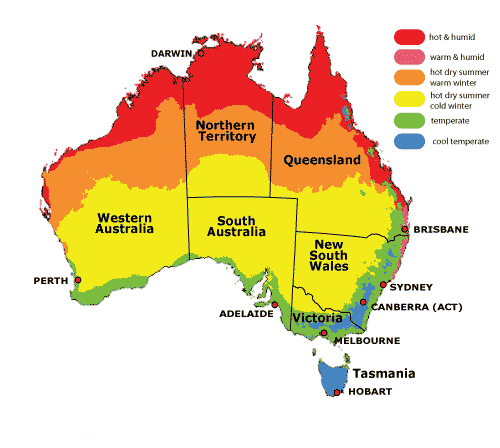
Climate
Australia experiences temperate weather for most of the year but the
climate can vary due to the size of our continent. The northern states
typically experience warm weather much of the time, with the southern
states experiencing cooler winters. Australia is also one of the driest
continents on earth with an average annual rainfall of less than 600
millimetres. Like all countries in the southern hemisphere, Australia's
seasons are opposite to those in the northern hemisphere. December to
February is summer; March to May is autumn; June to August is winter;
and September to November is spring.
Australian food and drink
Australia
has a rich variety of foods and drinks, adopted and adapted since
colonisation and developed as part of a multi-cultural society. What
was once new and foreign has been transformed with new ingredients and
styles into distinctly Australian food.
Scratchleys on the Wharf, Newcastle Harbour, NSW, courtesy of NSW Explorer.
In the early colonial days, there was much ingenuity, originality and
innovation in cooking. Menus included seafood, native game and
vegetables, as well as native fruits and nuts. Native fruits, such as
lilly pillies, quandongs, rosellas or hibiscus, wild raspberries and
native currants, were harvested for profit as well as for domestic use
continuously until the 1930s. Stores of rum and beer, as well as the makings for them, grapevine
cuttings for wine, coffee plants and beans, and ginger were unloaded in
1788 withthe First Fleet arriving in the Colony of New South Wales. Ginger beer, cordial and lemonade factories sprang up as the colonies developed. The influx of migrants from Europe and America during the gold rushes
of the 1850s spurred the drinking of coffee and the expansion of street
vendors with pies and Cornish pasties. The new arrivals also developed
a taste for Chinese food with fresh green vegetables, available in China towns, and especially in the port cities from the 1860s and throughout the 1870s.
Prawns in saffron and lime, no source
At the time of Federation
in 1901, a change in eating and cooking styles reflected new values.
Outdoor picnics were enthusiastically adopted, establishing the
tradition of the barbecue. There were new staple foods for main meals:
mutton, meat pies, colonial curries and lamb chops. From the 1880s, grand ornate coffee palaces offered coffee drinking
and dining as alternatives to the alcohol fuelled atmosphere of the
pubs. Coffee lounges became part of the modern jazz culture of the 1920s and 30s and expanded with the influx of American servicemen and European migrants in the 1940s.
Smokey barbecue, no source
Innovations based on new ingredients created new recipes. New
desserts, cakes and biscuits, such as pavlova, lamingtons and ginger
biscuits went down well with a cup of tea, a near universal drink.
Phrases like a 'billy of tea', and later additions such as Anzac
biscuits and vegemite were added to the vocabulary. Vegemite spread was
invented in 1923 by Melbourne scientist Dr Cyril Callister as a way to exploit the yeast left over from beer production. At the end of the Second World War (1939–45), there was another influx of migrants,
which bought new ingredients and new flavours. This willingness to
experiment and discover new taste experiences transformed Australian
cooking. Australian food began to be defined by the changes brought
about by new styles of cooking, especially Mediterranean, Asian, Indian,
and African. Today, many contemporary Australian chefs display these qualities of
innovation and bold experimentation in their expression of originality,
and are recognised worldwide for their skill and imagination.